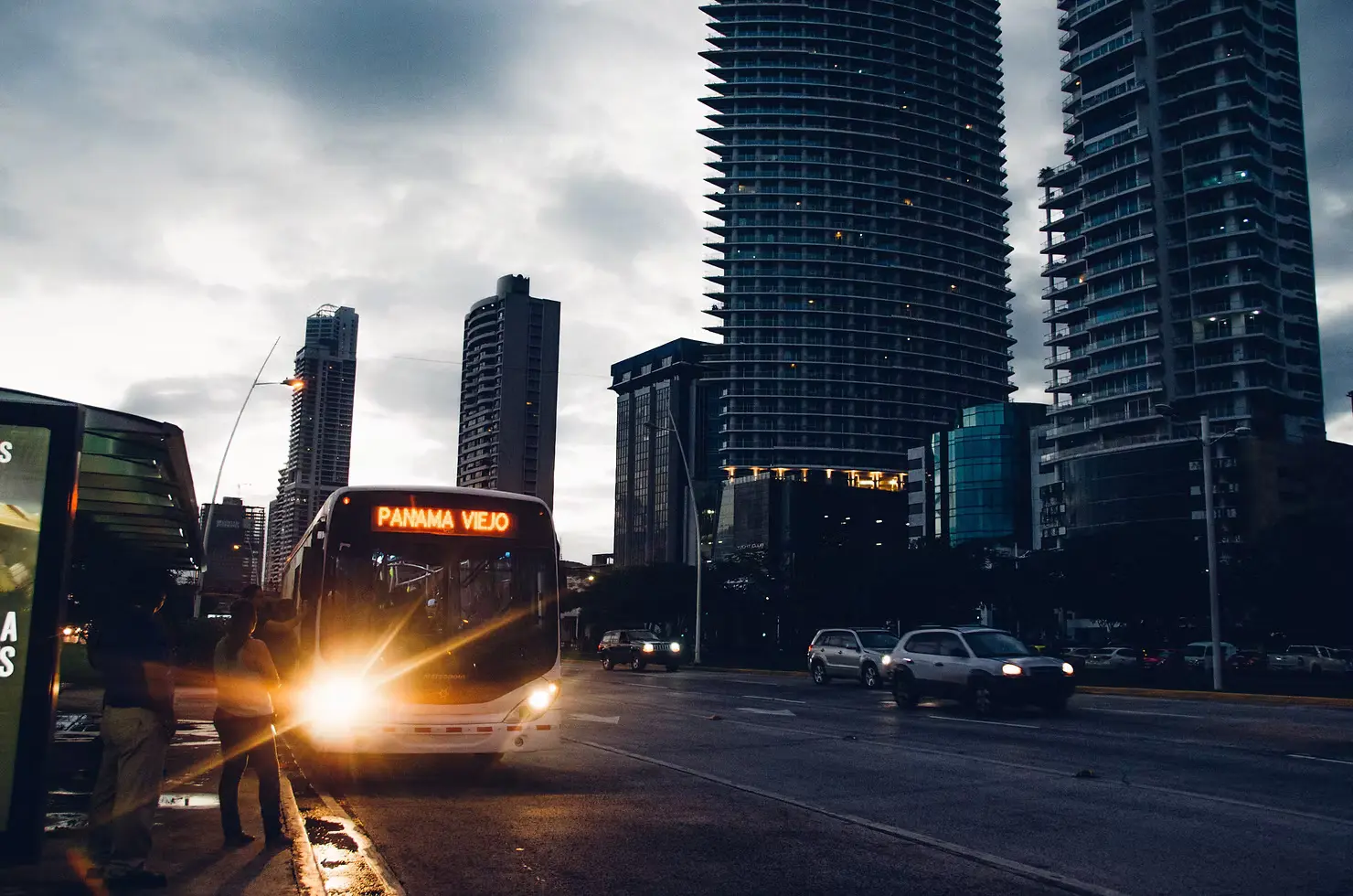
Panama offers a vibrant mix of stunning landscapes, historical sites, and unique cultural experiences. Exploring this beautiful country by car is one of the best ways to experience its diversity, but it’s natural to have questions about driving safety and road conditions. While driving in Panama is generally safe, there are specific factors and challenges you should know to help you navigate with confidence and ease. This guide will explain what you need to know about road conditions, driving habits, and essential tips for traveling safely on Panama’s roads.
Road Conditions in Panama
One of the main aspects affecting driving in Panama is road quality, which can vary significantly depending on where you are. In more urban areas like Panama City and David, roads are generally well paved, with proper markings, lighting, and traffic signs. However, in rural or less-developed areas, the situation can be different. Roads in these parts may be narrower, with sharp curves, potholes, and limited lighting. The type of roads you encounter depends on your travel destinations, so plan accordingly.
Urban areas have a more predictable road quality. Highways such as the Pan-American Highway are well maintained and cover large areas of the country. Rural roads, however, especially in mountainous areas, require extra caution. Many of these roads wind through hilly terrain with limited guardrails and are prone to landslides during the rainy season. If you’re driving to popular destinations like Boquete or Bocas del Toro, expect to encounter some areas where the road condition changes quickly. Even with these challenges, if you drive carefully and stay alert, you should have a smooth experience.
Rainy Season and Weather Risks
The rainy season in Panama runs from May to December, with a higher risk of heavy downpours from September to November. Rain can significantly impact driving conditions, causing muddy roads in some rural areas and occasional flooding on highways. When it rains, it's best to reduce your speed, use your headlights, and maintain a safe distance from other vehicles, as visibility can be low and roads may become slippery. Planning for extra travel time during this season is also a good idea since unexpected delays from weather can occur.
Driving Culture and Habits
Understanding the driving culture in Panama can help you better navigate the roads. Panamanian drivers tend to be assertive, and driving patterns might differ from what you’re used to if you’re coming from North America or Europe. However, with some basic preparation, adjusting to these differences can be quite manageable.
One notable characteristic is that many drivers here may not always use signals consistently, so it’s important to remain alert and anticipate sudden lane changes. Speed limits in urban areas usually range from 40 to 60 km/h, while highways allow up to 100 km/h. Some drivers may go above these speeds, especially on highways, so it’s wise to drive defensively and keep an eye on surrounding vehicles.